The entire coco supply chain under control
From plantation to substrate, everything under our own management
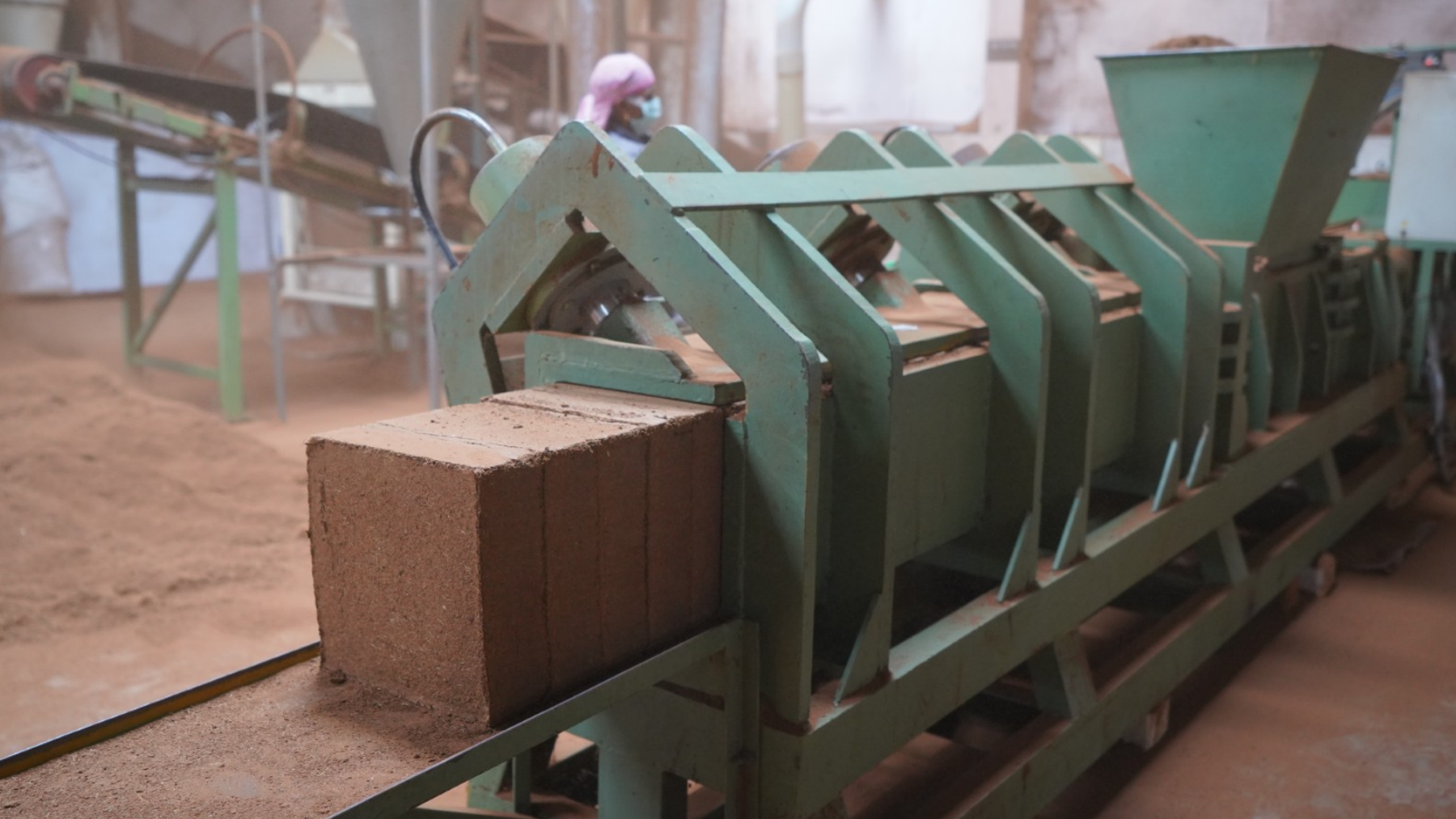
In order to own enough alternative raw materials, it is important to control the entire value chain. Klasmann-Deilmann relies on local teams for the production of coco in India. Reliability, quality, and availability are the focus.
“Everything to do with coco is handled by our team,” says Madura Amarasinghe, who is responsible for Klasmann-Deilmann’s coco production in Asia. “By working close to the source and keeping the processes under our own control, we can guarantee continuity and the highest quality.”
The coco fibers in Klasmann-Deilmann’s grow bags and other substrates are actually residues from coconuts that are carefully cultivated for food production. Klasmann-Deilmann’s production facilities in southern India are therefore located in the middle of coconut plantations. This means that the valuable coco fibers are delivered from within a maximum radius of 150 kilometers around the factory. This reduces transport costs, increases control over the supply chain, and strengthens cooperation with local suppliers. This network is of great importance for the overall production of the factories.
Coco production takes place at three locations in southern India. Most of the employees involved in this process live in the villages where the production facilities are located. This local anchoring ensures commitment, knowledge building, and stability.
Consistent quality and 20 years of experience
The factory in India is RHP and ISO certified and is considered the oldest RHP-certified site in India. With almost twenty years of experience in the production of coco as a raw material for substrates and growbags, the focus is on consistently high premium quality. A patented technology (Shakti Amla) enables control of the pH value of the raw material, which contributes to a stable and safe raw material. Exports are handled by the company’s own sales companies in more than 25 countries.
Availability requires forward thinking
Klasmann-Deilmann ensures a reliable supply through long-standing relationships with local suppliers, well-balanced inventories, and multiple production sites. This is because the availability of coco raw materials is seasonal. Coconut palms traditionally take three to five years to bear fruit, although there are now varieties that produce earlier. Harvesting takes place four to six times a year on average.
Sustainability in every respect
Sustainability is also particularly important in coco production. Drinking water for the local population always takes priority. The water used in the production of coco raw materials is collected and reused in other crops. Energy consumption, working conditions, medical care, and personal development are also constantly in focus. The production facilities are equipped with state-of-the-art RO recirculation systems to ensure that wastewater has no negative impact on the environment.
Coco is a renewable raw material of global importance for high-quality substrate mixtures. By controlling the entire value chain, Klasmann-Deilmann underlines its role as a reliable and sustainable partner for horticultural businesses worldwide.
Author: Anita Bassie | ANIQ Projectorganisatie B.V.